
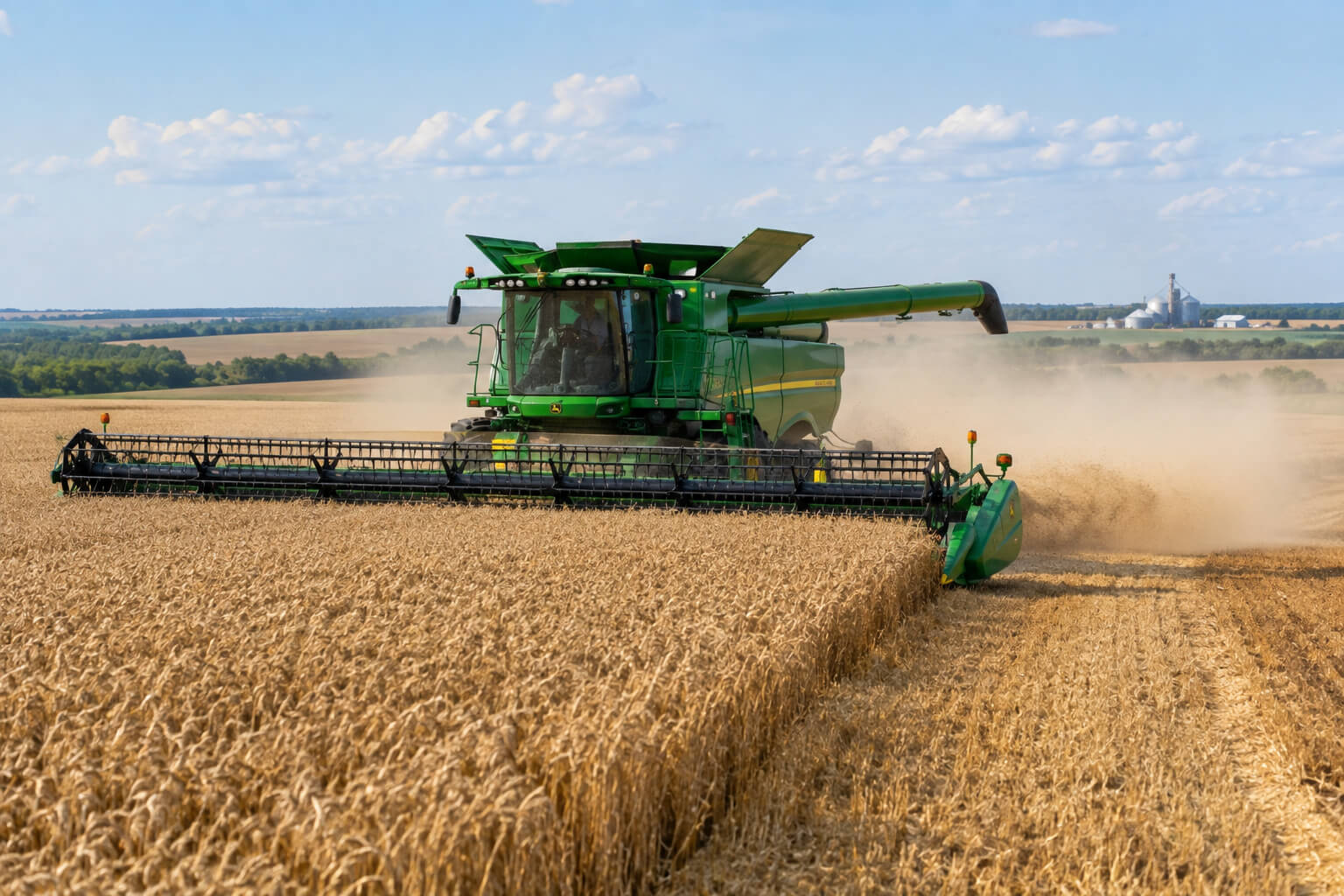
When a farm or agribusiness needs new machinery to increase production, the challenge is rarely just finding the right equipment. The bigger question is how to pay for it without exhausting working capital needed for labour, inputs, transport, maintenance and day-to-day operations. Farmers, farm owners, agricultural entrepreneurs, agribusiness owners, managing directors and project owners may need financing for tractors, harvesting machinery, irrigation systems, processing equipment, storage facilities or other productive assets.
Agricultural Equipment Financing can spread the acquisition cost over an agreed period while preserving liquidity. Bear Capital Ventures Limited can help businesses define the requirement, assess suitable financing structures and facilitate access to appropriate funding solutions where available.
Ready to Secure Financing?
Discuss your requirements with our specialists and explore a finance structure aligned with your objectives.
What is Agricultural Equipment Financing?
Agricultural Equipment Financing is funding arranged to help a farm or agribusiness acquire productive equipment without necessarily paying the entire purchase price from available cash.
The structure may involve an equipment loan, hire purchase, lease or another financing arrangement. The appropriate option depends on the asset, purchase price, business profile, repayment capacity, supplier terms and the jurisdiction in which the transaction takes place.
For a growing agricultural business, financing should be considered as part of the wider commercial plan. A machine may increase acreage, reduce labour requirements, improve processing capacity or reduce production losses, but its repayments must still fit the business’s expected cash flow.
That makes the financing structure just as important as the equipment itself.
What Agricultural Equipment Can Be Financed?
The precise assets eligible for financing vary by transaction, but agricultural businesses may seek funding for:
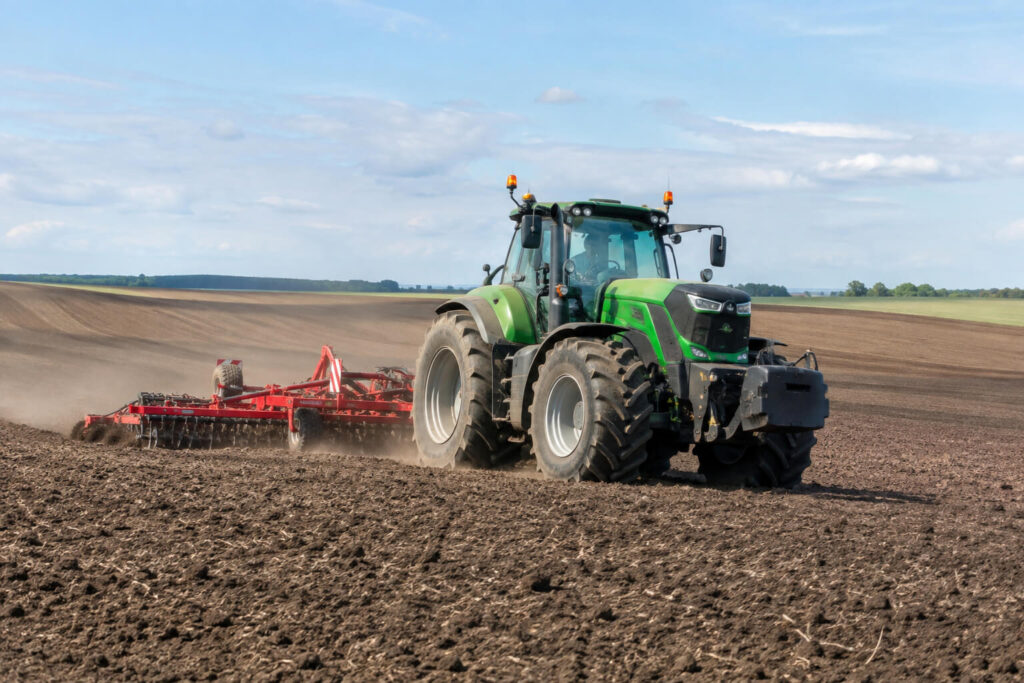
- Tractors and farm vehicles
- Harvesting and cultivation machinery
- Planting and seeding equipment
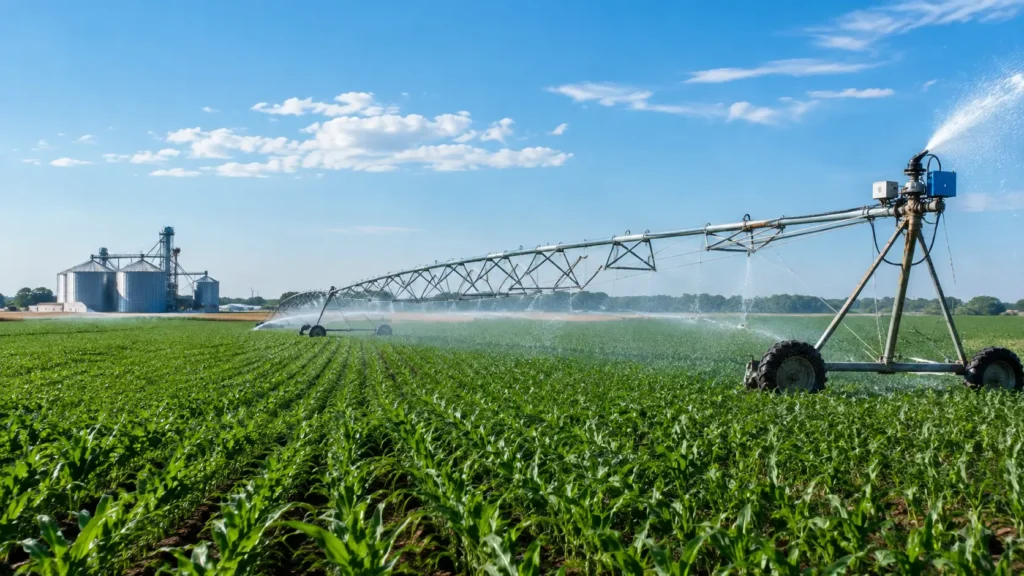
- Irrigation and water-management systems
- Livestock and poultry equipment
- Grain handling and storage systems
- Greenhouses and controlled-environment equipment
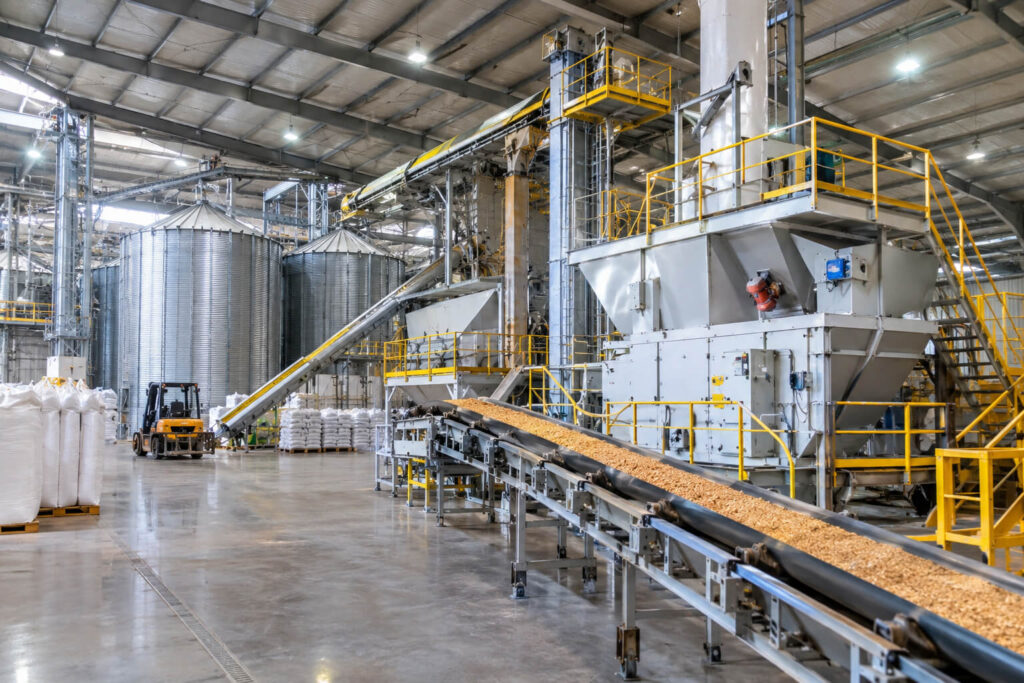
- Agricultural processing machinery
- Cold-storage and refrigeration equipment
- Packaging and post-harvest equipment
- Renewable-energy and farm-power systems
Equipment financing can also form one part of a larger expansion. For example, an agribusiness developing a processing operation may require machinery alongside working capital, construction costs and supplier payments. In that situation, project financing may need to be considered alongside the equipment requirement.
Which Financing Option May Suit Your Business?
There is no universal structure for agricultural equipment purchases. The right approach depends on the business’s objectives and financial position.
Equipment Loan
An equipment loan provides funding toward the purchase, with repayment spread across an agreed term. This may suit a business that wants a defined repayment schedule and expects the equipment to remain productive for several years.
Hire Purchase
With hire purchase, the business makes scheduled payments while using the equipment and may acquire ownership after meeting the contractual requirements. This can help spread a significant capital expenditure over time.
Equipment Lease
A lease allows a business to use equipment under agreed terms without necessarily purchasing it immediately. Ownership, end-of-term options, residual values and accounting treatment depend on the particular structure and applicable local rules.
Seasonal Repayment Structures
Agricultural income can be seasonal. A farm may spend heavily before planting and receive much of its revenue after harvest. Where the financing arrangement permits, repayment timing can reflect expected cash-flow periods.
A realistic cash-flow forecast is therefore important. It should show when revenue is expected, when major operating expenses arise and how proposed financing repayments fit alongside existing commitments.
Can Used Farm Equipment Be Financed?
Used equipment can reduce the initial acquisition cost, but financing may require more detailed assessment.
Age, condition, market value, maintenance history, remaining useful life, ownership documentation and purchase terms can affect the financing decision. Private purchases and auction transactions may also require additional checks because payment, inspection and title arrangements can differ from a conventional supplier purchase.
Before committing to used equipment, calculate the complete cost. This can include the purchase price, transportation, refurbishment, installation, insurance, taxes or duties where applicable and expected maintenance.
A lower purchase price does not automatically mean a lower overall cost if the machine requires substantial repairs or has limited productive life.
What Do Financing Providers Look At?
A credible application should show both the purpose of the equipment and the business’s ability to support the proposed repayments.
Common areas of assessment may include:
- Business and trading history
- Annual turnover and profitability
- Existing borrowing and financial commitments
- Bank statements and financial accounts
- Management accounts
- Cash-flow forecasts
- Equipment specifications and purchase price
- Supplier quotation or purchase agreement
- Available deposit or business contribution
- Security or guarantees where required
- Ownership and project structure
- Expected commercial benefit of the equipment
Projected income can be relevant for an expanding business, but projections should be based on reasonable assumptions. Explain how the equipment is expected to increase capacity, improve efficiency, reduce costs or create additional revenue.
Bear Capital Ventures Limited can help businesses organise this information around the actual financing requirement, making it easier to present a clear commercial case to appropriate funding sources.
What Documents Should You Prepare?
Requirements vary according to the size, structure and location of the transaction. A business may be asked to provide company registration information, identification for relevant owners or directors, financial statements, bank statements, tax information, equipment quotations, purchase agreements and details of existing liabilities.
Larger agricultural projects may require additional information about land, licences, contracts, ownership, projected revenues, development costs and the overall project plan.
Preparing these documents before making an enquiry can help identify gaps early and reduce avoidable delays.
Ready to Secure Financing?
Discuss your requirements with our specialists and explore a finance structure aligned with your objectives.
Financing Equipment Without Straining Working Capital
One of the most important considerations is the effect of an equipment purchase on liquidity.
Agricultural businesses may need substantial working capital for seed, fertiliser, feed, fuel, wages, repairs, logistics and other operating costs. Paying for expensive machinery entirely from cash can reduce the funds available for those requirements.
Financing may allow the business to preserve more working capital while spreading the capital expenditure over time. However, this only makes commercial sense when the repayment obligation is sustainable.
Compare the total financing cost with the expected economic contribution of the equipment. Consider finance charges, arrangement fees, deposits, insurance, maintenance, taxes, residual values and other costs before making a commitment.
For businesses with several simultaneous funding needs, working capital may also be relevant. The equipment requirement should be assessed alongside the liquidity needed to operate the expanded business.
When Equipment Is Part of a Larger Agricultural Project
Sometimes the machinery is not the entire financing problem.
A farm expansion may involve developing facilities, installing irrigation, building storage, purchasing processing machinery, funding transport and maintaining sufficient operating liquidity. Treating each requirement separately can make the overall funding structure harder to manage.
A broader financing assessment can identify how the different requirements interact.
Bear Capital Ventures Limited works with businesses, investors, project developers and trade participants to structure and arrange financing solutions around specific funding requirements. Where appropriate, agricultural equipment financing may be considered alongside trade finance working capital or other structured solutions.
For transactions involving suppliers, contractual obligations or international trade, a Bank Guarantee may be relevant where the underlying commercial requirement calls for one. Similarly, a Standby Letter of Credit may be considered for qualifying transactions. These instruments are not substitutes for ordinary equipment finance and should only be used where they serve a genuine commercial purpose.
How to Prepare a Strong Financing Request
Start with the asset, not a generic request for money.
State what equipment is required, its purchase price, whether it is new or used, where it will be purchased, the amount of financing required and the contribution the business can make.
Then explain the commercial purpose. Show whether the equipment will expand acreage, increase output, improve processing, reduce downtime, lower operating costs or support a new contract.
Finally, demonstrate repayment capacity. Include current revenue, expected additional income, seasonal cash flow, existing financial commitments and the assumptions behind projected performance.
If the requirement is part of a larger agricultural development, present the complete funding need. This allows the financing structure to be considered in context rather than treating one equipment purchase as an isolated transaction.
Businesses with a broader requirement may also consider project financing where the agricultural development has clearly defined capital requirements, revenues and repayment considerations.
Ready to Secure Financing?
Discuss your requirements with our specialists and explore a finance structure aligned with your objectives.
How Bear Capital Ventures Limited Can Help
The value of a financing adviser is not simply introducing a business to a funding source. The financing requirement needs to be understood properly before an appropriate structure can be explored.
Bear Capital Ventures Limited works with businesses, investors, project developers and trade participants to structure and arrange financing solutions tailored to specific funding requirements. For an agricultural business, that can mean clarifying the equipment requirement, reviewing the commercial purpose, considering expected cash flow and identifying a financing approach that fits the wider transaction.
Where appropriate, financing may be arranged through Bear Capital Ventures Limited. Businesses seeking more than equipment funding can also discuss related requirements involving project financing, trade finance, Bank Guarantees, Standby Letters of Credit and other structured financing solutions.
The objective is to help turn a clearly defined funding requirement into a commercially structured financing enquiry rather than encouraging businesses to pursue unsuitable products.
For an equipment-focused requirement, agricultural equipment financing can be assessed according to the asset, funding amount, business circumstances and intended commercial use.
Ready to Discuss Your Equipment Financing Requirement?
If your farm or agribusiness needs machinery to expand production, improve efficiency or support a new agricultural project, prepare the key details before making an enquiry: equipment type, purchase price, supplier, new or used status, required funding, business location, trading history, expected cash flow and intended commercial use.
Bear Capital Ventures Limited can review the requirement and explore suitable financing solutions where available.
Contact Bear Capital Ventures Limited with your agricultural equipment financing requirement and explain what you are purchasing, how much funding you need and what the equipment will enable your business to achieve. A clear financing request gives the discussion a practical starting point and helps determine the next appropriate step.
FAQs About Agricultural Equipment Financing
1. What is Agricultural Equipment Financing used for?
It can be used to finance qualifying agricultural machinery and productive assets, including tractors, harvesting equipment, irrigation systems, processing machinery, storage equipment and other farm infrastructure, subject to the applicable financing terms.
2. Can I finance used agricultural equipment?
Potentially. The asset’s age, condition, value, remaining useful life, ownership documentation and purchase terms can affect eligibility and structure.
3. Can repayments be aligned with seasonal farm income?
Where the selected financing structure permits, repayment arrangements may be designed around expected cash-flow patterns. A detailed seasonal cash-flow forecast is important when assessing affordability.
4. Can equipment financing be combined with other funding?
Yes, where appropriate. A larger agricultural project may require equipment funding alongside working capital, trade finance, project financing or other structured solutions.
5. How can Bear Capital Ventures Limited help?
Bear Capital Ventures Limited can help define the financing requirement, consider suitable structures, organise relevant commercial information and facilitate access to appropriate financing solutions where available.
Written by Bear Capital Ventures Limited
Bear Capital Ventures Limited specializes in educational content covering global finance, trade finance solutions, corporate funding, financial instruments, and international capital markets. We provide insights into structured finance solutions, Bank Guarantees, Standby Letters of Credit and business funding strategies for organizations exploring global growth opportunities.