
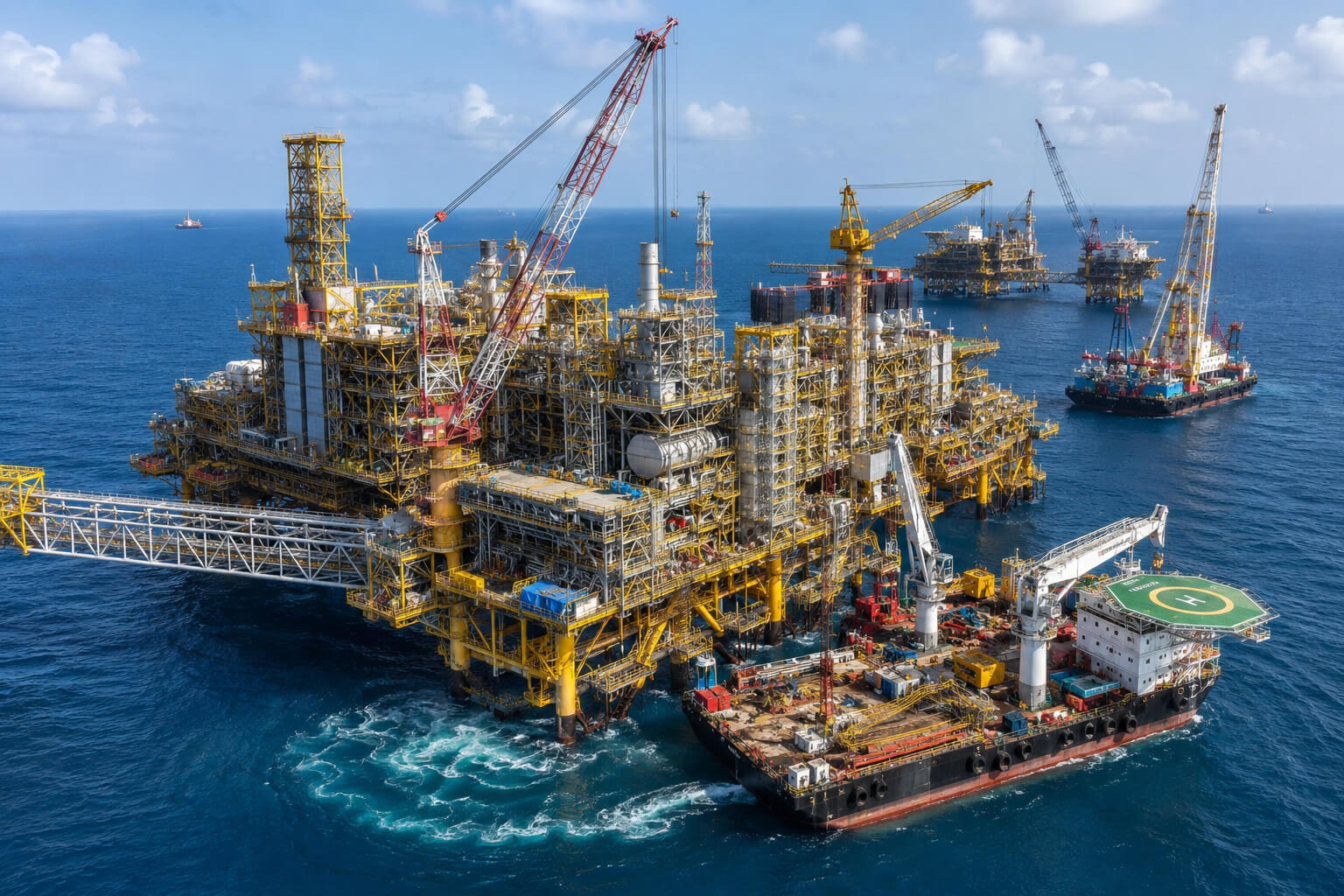
An oil and gas developer can have commercially attractive reserves, experienced management and a viable development plan and still struggle to secure the capital needed to move forward. For a CFO, project sponsor or managing director, the challenge is not simply finding a lender. It is deciding how much equity to commit, how much debt the project can support, whether project finance or reserve-based lending is appropriate, and whether structured, trade or export-credit financing has a legitimate role.
Oil and gas project financing is therefore a capital-structuring decision as much as a funding exercise. Bear Capital Ventures Limited can help businesses assess their financing requirements and explore potential financing structures suited to the nature, stage and objectives of the transaction.
Ready to Secure Financing?
Discuss your requirements with our specialists and explore a finance structure aligned with your objectives.
Start with the project, not the financial product
A major oil and gas development can require substantial expenditure on appraisal, drilling, production facilities, pipelines, processing, storage, transportation and related infrastructure before significant revenue is generated.
That creates a basic commercial problem: how can the company fund the development today while creating a repayment structure that matches the project’s future cash flows?
Project finance can be appropriate where lenders can assess the project’s assets, contracts and anticipated cash flows as the primary basis for repayment. Depending on the transaction, a special-purpose project company may own the development, with lenders taking security over project assets, accounts and contractual rights.
However, project finance is not automatically the right solution for every oil and gas business. A producing company with established reserves may be better suited to reserve-based lending, while a company financing imports, exports or specific commodity transactions may have a trade-finance requirement.
The financing strategy should follow the project’s characteristics rather than the other way around.
Which financing structure could fit the project?
The most appropriate capital structure depends on the development stage, cash-flow profile, assets, contracts, jurisdiction and risk allocation.
New or expanding developments: project finance
For a greenfield development or substantial expansion, project finance may allow debt to be structured around the future performance of the project rather than relying entirely on the sponsor’s wider balance sheet.
Lenders will typically focus heavily on construction risk, expected production, operating costs, commodity exposure, offtake arrangements, contractual protections and projected debt-service capacity.
Sponsors will generally still need meaningful equity and may have completion obligations or other forms of support.
Producing assets: reserve-based lending
Reserve-based lending, or RBL, can be relevant when an oil and gas company has qualifying reserves and established or sufficiently predictable production.
Under an RBL structure, the borrowing base is generally linked to the value and expected cash flows of eligible reserves. Independent reserve assessments, production forecasts, commodity-price assumptions, operating expenditure and future capital requirements can all influence the amount lenders are prepared to advance.
This can make RBL fundamentally different from financing a project that has not yet reached production.
Acquisitions: acquisition or structured finance
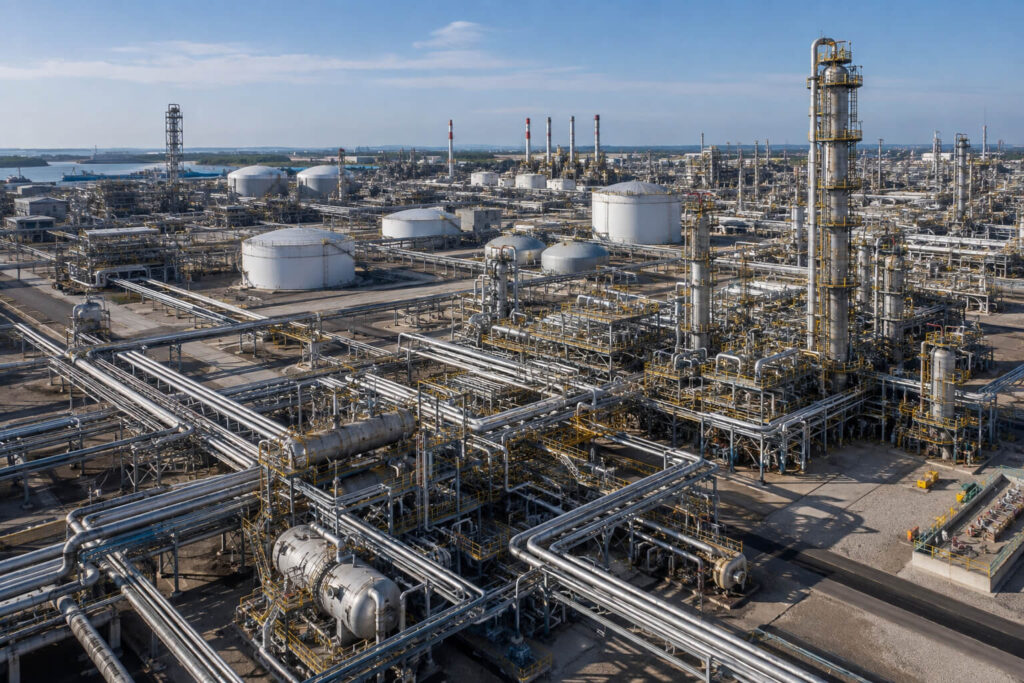
Buying an existing producing field or energy business creates a different financing problem from building a new development.
The transaction may require acquisition finance, structured debt, sponsor equity or a combination of sources. Existing production, reserve quality, purchase price, historical cash flows and the assets available as security can all influence the structure.
Imports, exports and operating requirements: trade finance
Some companies describe their requirement as “oil and gas financing” when the actual need is working capital or trade-related funding.
Import finance, export finance and commodity trade finance can be relevant where the company needs to fund equipment, materials, shipments, purchases or other defined commercial transactions.
These facilities should not be confused with long-term capital used to construct an entire oil and gas development.
Contractual support: Bank Guarantees and SBLCs
Bank Guarantees and Standby Letters of Credit can support specific payment, performance or contractual obligations.
They are not automatically substitutes for project debt or equity. Their usefulness depends on the issuing institution, beneficiary, wording, amount, tenor and underlying transaction.
For a company that has been told it needs an SBLC or Bank Guarantee, the first question should therefore be what obligation is the instrument actually intended to support?
Bear Capital Ventures Limited can assess requirements involving project finance, structured finance, trade finance, import/export finance, Bank Guarantees and SBLC-related solutions and determine which route may warrant further consideration.
What does a financeable oil and gas project need?
Financiers are unlikely to assess a major development solely on the sponsor’s stated funding requirement.
They need enough evidence to understand how the project will be built, operated and repaid.
A financing package will commonly need information covering:
- Corporate ownership and sponsor structure.
- Project location and development stage.
- Total development and capital expenditure requirements.
- Amount already invested and proposed sponsor contribution.
- Reserves and independent technical reports where applicable.
- Production forecasts and operating assumptions.
- Detailed financial model.
- Offtake, sales or supply agreements.
- EPC, O&M and other material contracts.
- Licences, concessions and government approvals.
- Existing debt and security arrangements.
- Insurance and risk-management provisions.
- Proposed financing amount, tenor, currency and use of funds.
- Environmental and social information where relevant.
The financial model is particularly important because a lender needs to understand how the project performs when assumptions deteriorate.
What happens if oil or gas prices fall?
What happens if production starts later than expected?
What happens if construction costs increase?
What happens if an offtaker fails to perform?
A credible financing proposal addresses these questions before they become objections during due diligence.
What determines how much debt a project can support?
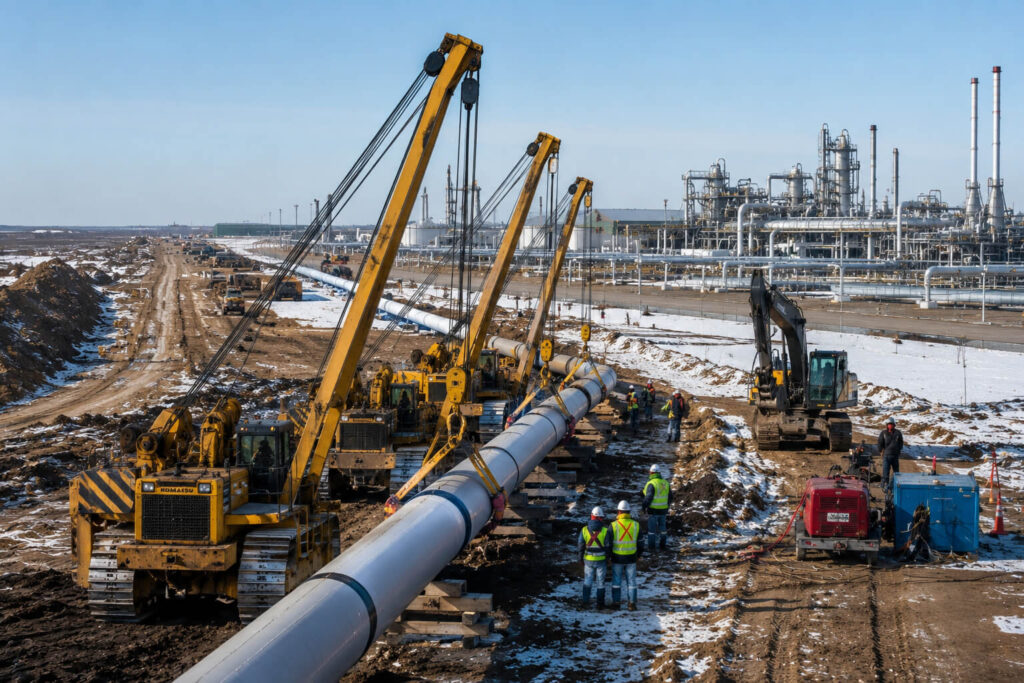
A project’s headline valuation does not necessarily determine its borrowing capacity.
Lenders are concerned with reliable cash generation and repayment capacity.
Factors that can influence debt capacity include expected production, commodity-price assumptions, operating costs, capital expenditure, debt-service requirements, reserve quality, offtake arrangements and the overall allocation of project risks.
Financial covenants and reserve accounts may also form part of the eventual structure.
This is why two projects with apparently similar asset values can receive very different financing proposals. A project with strong contracts, predictable production and well-controlled construction risk may be considerably more financeable than one with similar reserves but substantial uncertainty around development or revenue.
The risks financiers will examine
Oil and gas developments expose capital providers to several interconnected risks.
Reserve and production risk affects whether projected volumes can actually be delivered.
Commodity-price risk can reduce revenues and debt-service capacity.
Construction risk includes delays, cost overruns and contractor performance.
Offtake risk concerns the reliability and commercial strength of buyers.
Political and regulatory risk can be significant where projects depend on government approvals, concessions or cross-border arrangements.
Environmental and social risk can affect permitting, development schedules and the willingness of certain institutions to participate.
The purpose of due diligence is not simply to identify problems. It is to determine how each material risk should be allocated, mitigated or priced within the financing structure.
How export-credit and development finance can strengthen a structure
Some major projects can benefit from participation by export-credit agencies or development-finance institutions, particularly where qualifying exports, international contractors, strategic infrastructure or developing-market investment are involved.
Their involvement can sometimes help mobilise additional commercial-bank financing or improve the overall financing package.
The lesson for sponsors is not that every project should seek ECA or development-bank financing. It is that the capital stack can sometimes combine different sources where each addresses a particular part of the project’s risk or funding requirement.
Ready to Secure Financing?
Discuss your requirements with our specialists and explore a finance structure aligned with your objectives.
How long can financing take?
There is no standard timetable for oil and gas project financing.
A producing asset with established documentation can present a very different process from a new multi-billion-dollar development involving several sponsors, contractors, government entities and financing institutions.
Timing can be affected by:
- Technical and financial due diligence.
- Financial modelling.
- Lender appetite for the project and jurisdiction.
- Legal review and documentation.
- Environmental and social assessments.
- Credit approval.
- Security arrangements.
- Negotiation with sponsors and counterparties.
Companies should therefore avoid waiting until capital is urgently required before beginning financing discussions.
What should a company prepare before approaching financiers?
A useful initial financing brief should answer a few fundamental questions clearly:
What is the project? Who owns it? Where is it located? What stage has it reached? What is the total project cost? How much has already been invested? How much additional capital is required? What will the funds be used for? What assets, reserves, contracts or projected cash flows support repayment?
The company should also identify any existing lenders, security interests, government approvals, offtake arrangements and major project contracts.
This information gives a financing adviser or prospective institution a basis for determining which financing structures deserve further examination.
Bear Capital Ventures Limited can review these factors and help businesses explore financing routes relevant to their particular requirement. Where appropriate, financing may involve established banking or financial institutions, subject to the applicable institution’s criteria, due diligence, availability and independent approval.
Frequently Asked Questions About Oil & Gas Project Financing
Can a new oil and gas project qualify for project finance?
Potentially. The project generally needs credible economics, technical evidence, contracts, risk allocation and projected cash flows. Sponsor equity and other forms of support may also be required.
Is reserve-based lending suitable for every oil and gas company?
No. RBL is generally associated with qualifying reserves and production. A greenfield development may require a different structure based on construction and future project cash flows.
Can an SBLC replace project financing?
Not automatically. An SBLC is generally a credit-support instrument rather than conventional project capital. Its suitability depends on the underlying transaction and its precise terms.
What is the most important information to prepare?
Start with the project cost, funding requirement, ownership, development stage, reserves or assets, financial projections, contracts, permits and proposed use of funds.
How should a company choose the right financing structure?
Begin with the commercial requirement rather than a predetermined financial product. Development stage, cash flow, reserves, security, contracts, jurisdiction and sponsor contribution should determine which financing options are worth pursuing.
Turn a funding requirement into a financeable transaction
For a major oil and gas development, the strongest financing request is rarely the one that simply asks, “Who can fund us?”
It is the one that clearly demonstrates what the capital is for, how the project will generate cash, what risks exist, what the sponsors are contributing and how the proposed financing can be repaid.
If your company is developing, acquiring or expanding an oil and gas asset, Bear Capital Ventures Limited will review you financing requirement and consider whether project finance, structured finance, reserve-related lending, trade finance or another appropriate structure should be explored.
Prepare the project cost, funding requirement, development stage and supporting financial information before making the approach. A clearly defined transaction gives potential financing partners something concrete to assess and gives management a much stronger basis for determining the capital structure needed to move the project forward.
Written by Bear Capital Ventures Limited
Bear Capital Ventures Limited specializes in educational content covering global finance, trade finance solutions, corporate funding, financial instruments, and international capital markets. We provide insights into structured finance solutions, Bank Guarantees, Standby Letters of Credit and business funding strategies for organizations exploring global growth opportunities.