
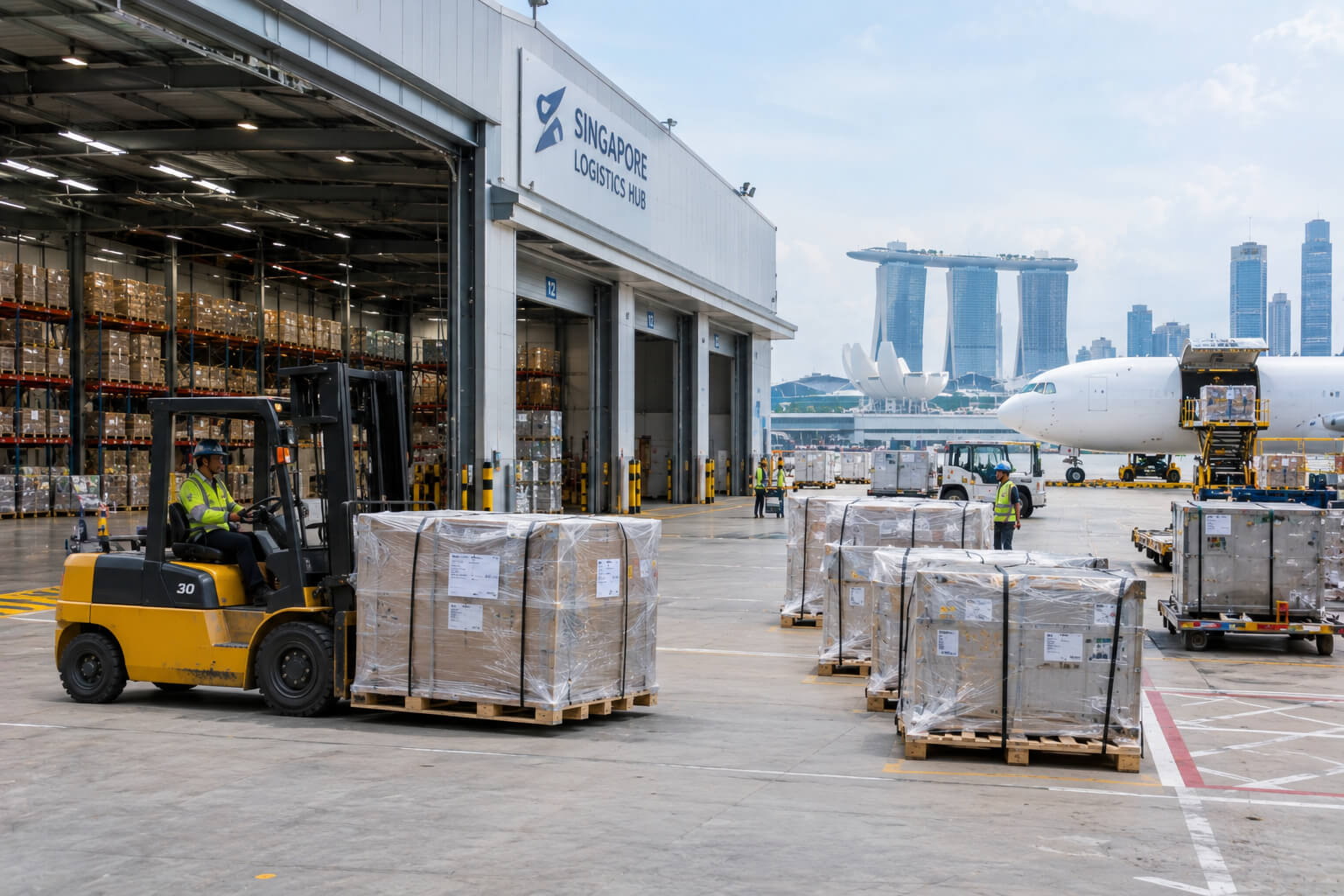
A Singapore exporter can have strong international orders and still face a serious cash-flow problem when overseas buyers request 60, 90 or even longer payment terms. The exporter must often pay suppliers, manufacturers, freight providers, employees and other operating costs well before the customer settles the invoice. For business owners, entrepreneurs, company directors and project sponsors, this can restrict the ability to accept new orders or execute a larger contract even when sales are growing. The practical issue is not necessarily a lack of profitability; it is the timing of cash.
Bear Capital Ventures Limited can assess this type of requirement and explore suitable working capital, trade finance and structured funding solutions for Singapore businesses with genuine international financing needs.
Ready to Secure Financing?
Discuss your requirements with our specialists and explore a finance structure aligned with your objectives.
When sales grow faster than available cash
Long payment terms can quietly transform a successful export transaction into a working capital challenge.
Consider a Singapore company that supplies industrial equipment to an overseas customer. The customer agrees to pay 90 days after shipment. The exporter, however, may need to purchase components weeks before production, settle logistics costs before delivery and continue funding its normal operations while waiting for payment.
The company may therefore have a healthy order book but insufficient immediately available cash to support its next transaction.
This is particularly important when several large invoices are outstanding simultaneously. A single 90-day receivable may be manageable. A growing portfolio of unpaid export invoices can create a much larger funding requirement.
The first question should therefore be:
How much working capital is actually locked inside the export cycle?
The payment term is part of the financing equation
Payment terms are not simply a commercial issue between buyer and seller. They directly affect how much capital the exporter must carry.
With shorter payment terms, cash returns to the business relatively quickly. With longer terms, the exporter effectively provides the buyer with additional time to pay while continuing to finance its own obligations.
This becomes more pronounced under open-account transactions.
Open-account export terms can be commercially attractive because they may make an exporter more competitive when negotiating with international buyers. However, they also transfer more payment timing and credit exposure to the seller.
Before accepting extended terms, the exporter should consider:
- the total value of outstanding invoices;
- the average number of days before payment;
- supplier payment deadlines;
- production costs;
- freight and logistics expenses;
- the value of the next confirmed order;
- existing borrowing commitments;
- the amount of liquidity required to maintain normal operations.
This calculation can reveal whether the company has a temporary timing gap or a structural working capital requirement.
Two different financing needs can exist
An exporter may need funding at two separate stages of the transaction.
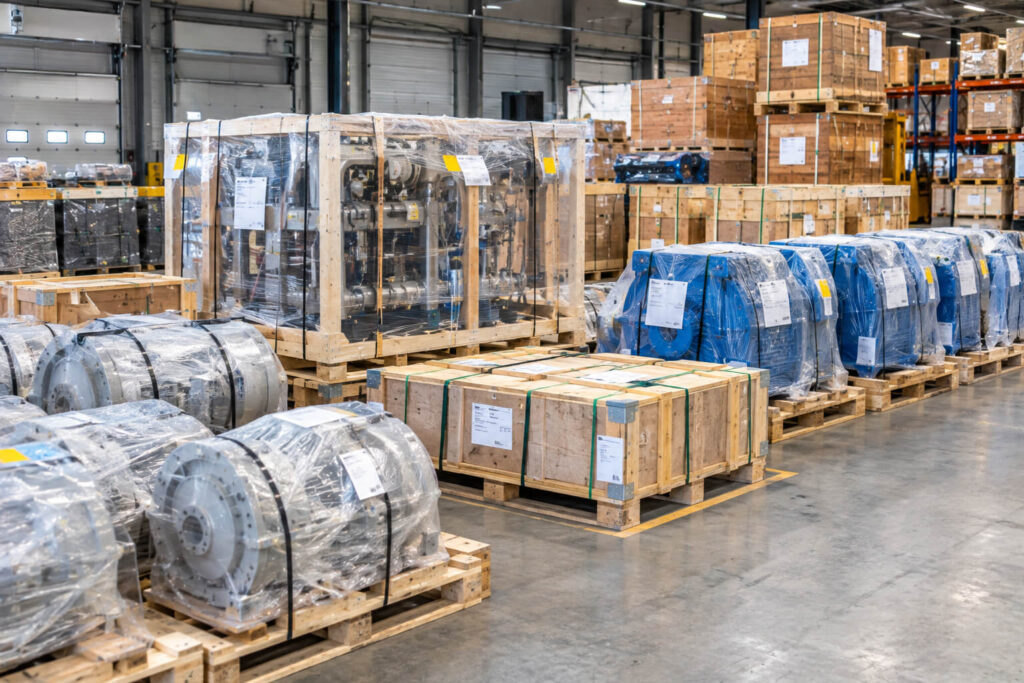
Before shipment, the company may require money to purchase materials, manufacture goods, acquire inventory or prepare an order.
After shipment, the company may have completed its obligations but still be waiting for the overseas buyer to pay.
These situations should not automatically be treated as the same financing requirement.
Funding production before the goods leave Singapore
Where a confirmed export order requires significant expenditure before shipment, pre-shipment export finance may be relevant.
The purpose is generally to provide liquidity during the period in which the exporter is preparing an order and before the transaction generates its expected payment.
The underlying commercial transaction matters. A potential financier will typically want to understand the purchase order or contract, supplier obligations, production timetable, expected shipment, transaction value and repayment source.
The stronger the underlying transaction, the easier it is to explain why funding is required and how it is expected to be repaid.
Funding after shipment but before payment
Once goods have been shipped and an invoice has been issued, the problem changes.
The exporter now has a receivable but may not have received the cash.
Export receivables financingcan be considered where eligible receivables can support a financing structure.
This can be particularly relevant where the company has completed delivery but is required to wait 60, 90 days or longer for payment.
The objective is not simply to borrow because an invoice exists. The financing needs to be assessed against the underlying transaction, the buyer, contractual terms, documentation, payment history and other relevant factors.
Ready to Secure Financing?
Discuss your requirements with our specialists and explore a finance structure aligned with your objectives.
Invoice financing can unlock part of the cash cycle
For an exporter with substantial outstanding invoices, invoice discounting for exporters may be another structure worth examining.
Instead of waiting for every invoice to reach maturity, the business may seek financing against eligible receivables.
This can help address a recurring problem:
The company has already made the sale, but the cash has not yet returned to the operating account.
The suitability of this approach depends heavily on the quality and characteristics of the receivables. A financier may examine who owes the money, the contractual payment terms, whether the invoice is disputed, the jurisdiction involved and the reliability of the expected payment.
That makes proper documentation important.
What if the buyer needs payment security?
Long payment terms can create another concern beyond liquidity: payment risk.
An overseas buyer may request extended credit because it wants additional time to pay. The exporter may accept those terms but want stronger payment protection.
A Standby Letter of Credit can, in suitable transactions, provide a form of payment support subject to its specific terms and conditions.
It is important to distinguish this from working capital financing.
A Standby Letter of Credit does not automatically provide the exporter with cash. Its principal role is to provide assurance to the beneficiary if the conditions for drawing under the instrument are met.
Similarly, a Bank Guarantee may support a specific contractual or financial obligation, but it should not be described as equivalent to working capital.
For businesses considering these instruments, the underlying contract should be examined first. The required amount, validity period, beneficiary, obligation being supported and conditions of use all matter.
The financing structure should follow the transaction
One of the biggest mistakes exporters can make is looking for a financial product before defining the actual cash-flow problem.
Suppose a Singapore exporter has:
- a confirmed international order;
- production costs due immediately;
- shipment scheduled within 30 days;
- a 90-day payment term;
- several existing receivables;
- additional orders expected next quarter.
That company may require more than one financing component.
Part of the requirement could relate to production. Another part could relate to outstanding export receivables. A payment-security instrument may address a separate contractual requirement.
This is where structured trade finance can become relevant. Rather than treating every financing need as a standard loan request, the structure considers the underlying trade transaction, payment cycle, contracts, assets, receivables and available support.
When working capital becomes a growth constraint
The danger of insufficient working capital is not limited to missing payments.
It can prevent an exporter from accepting a larger order.
Imagine a company has enough production capacity to fulfil a new international contract but cannot comfortably finance the additional inventory and supplier payments while existing customers are still taking 90 days to settle.
The company may then face an uncomfortable choice: decline the opportunity, negotiate shorter payment terms that the buyer may reject, or find additional liquidity.
For growing exporters, this is why export working capital solutions should be considered as part of commercial planning rather than only after a cash-flow crisis has emerged.
The objective is to maintain sufficient liquidity across the entire operating cycle.
Where guarantees can support an international transaction
A guarantee may become relevant when an international contract requires additional assurance.
For example, a buyer, supplier or contractual counterparty may require a Bank Guarantee connected with a defined obligation.
The key question is not simply whether the company can obtain a guarantee. It is whether the guarantee is appropriate for the transaction and whether its conditions satisfy the beneficiary’s requirements.
Likewise, where a Standby Letter of Credit is being considered, the exporter should establish exactly what obligation it is intended to support and whether the proposed instrument will be accepted by the relevant counterparty.
This distinction helps prevent a common misunderstanding: financial instruments can support a transaction without necessarily replacing the working capital required to execute it.
What a financier will want to understand
A serious financing request should demonstrate how the money will move through the business.
For a Singapore exporter, useful information may include:
- company profile and ownership structure;
- details of the international buyer;
- purchase orders or executed contracts;
- agreed payment terms;
- invoice amounts;
- supplier commitments;
- production or delivery schedule;
- shipping documentation where applicable;
- existing receivables;
- current working capital requirements;
- historical financial information;
- projected cash flow;
- existing financing obligations;
- requested financing amount;
- proposed repayment source.
The more clearly the exporter can demonstrate the connection between the transaction and the financing requirement, the more effectively the opportunity can be evaluated.
Bear Capital Ventures Limited and Singapore exporters
Bear Capital Ventures Limited provides funding solutions to businesses and corporations operating across international markets, including trade finance, working capital, corporate finance, project finance and financial advisory services.
For a Singapore exporter dealing with extended international payment terms, the relevant question may not be simply “Can I get working capital?”
It may instead be:
Which part of my trading cycle needs financing, what assets or receivables can support the requirement, and would a Bank Guarantee or Standby Letter of Credit have a separate role in the transaction?
Bear Capital Ventures Limited can assess the broader requirement and, where appropriate, explore financing that may be arranged through the company, subject to the characteristics of the transaction, due diligence, applicable criteria and financing conditions.
This approach can be particularly relevant when an exporter has a concrete contract, significant receivables, an upcoming shipment or a larger international transaction that requires additional liquidity.
Ready to Secure Financing?
Discuss your requirements with our specialists and explore a finance structure aligned with your objectives.
Turn extended payment terms into a financing question
Long payment terms do not necessarily mean an exporter should refuse an attractive international contract. They do mean the cash-flow consequences should be understood before the transaction is accepted.
If customer payments are taking 60 or 90 days while suppliers and operating costs must be paid much sooner, calculate the resulting funding gap before it restricts the next order.
For businesses with confirmed international transactions, outstanding receivables or a defined working capital requirement, Bear Capital Ventures Limited can review the underlying situation and consider whether trade finance, working capital, receivables financing, project financing or appropriate financial instruments may form part of a suitable structure.
If your Singapore business is carrying substantial export receivables or needs additional capital to fulfil international orders, provide the transaction details, payment terms, funding requirement and expected repayment source to Bear Capital Ventures Limited for consideration.
The stronger the transaction information, the clearer the financing opportunity becomes.
FAQs About Export Working Capital Financing in Singapore
1. How do long payment terms affect a Singapore exporter?
Long payment terms delay the return of cash to the exporter while production, supplier, logistics and operating expenses may need to be paid earlier. This can create a working capital gap even when the underlying export business is profitable.
2. Can export invoices be used to obtain working capital?
Depending on the transaction and eligibility, outstanding export receivables may support a financing structure. The quality of the receivable, buyer, contractual terms, documentation and expected payment are important considerations.
3. Is a Standby Letter of Credit the same as working capital financing?
No. A Standby Letter of Credit is primarily a payment-support instrument. It may provide assurance to a beneficiary under defined conditions, but it does not automatically provide the exporter with working capital.
4. When could a Bank Guarantee be relevant to an exporter?
A Bank Guarantee may be relevant when a specific contract or transaction requires financial assurance for an identified obligation. Its suitability depends on the contractual requirement, amount, validity and conditions imposed by the relevant parties.
5. Can Bear Capital Ventures Limited help with an export working capital requirement?
Bear Capital Ventures Limited can assess financing requirements involving international trade, working capital, receivables, project finance and financial instruments. Any potential financing arrangement is subject to review of the transaction, due diligence, applicable criteria and financing conditions.
Written by Bear Capital Ventures Limited
Bear Capital Ventures Limited specializes in educational content covering global finance, trade finance solutions, corporate funding, financial instruments, and international capital markets. We provide insights into structured finance solutions, Bank Guarantees, Standby Letters of Credit and business funding strategies for organizations exploring global growth opportunities.