
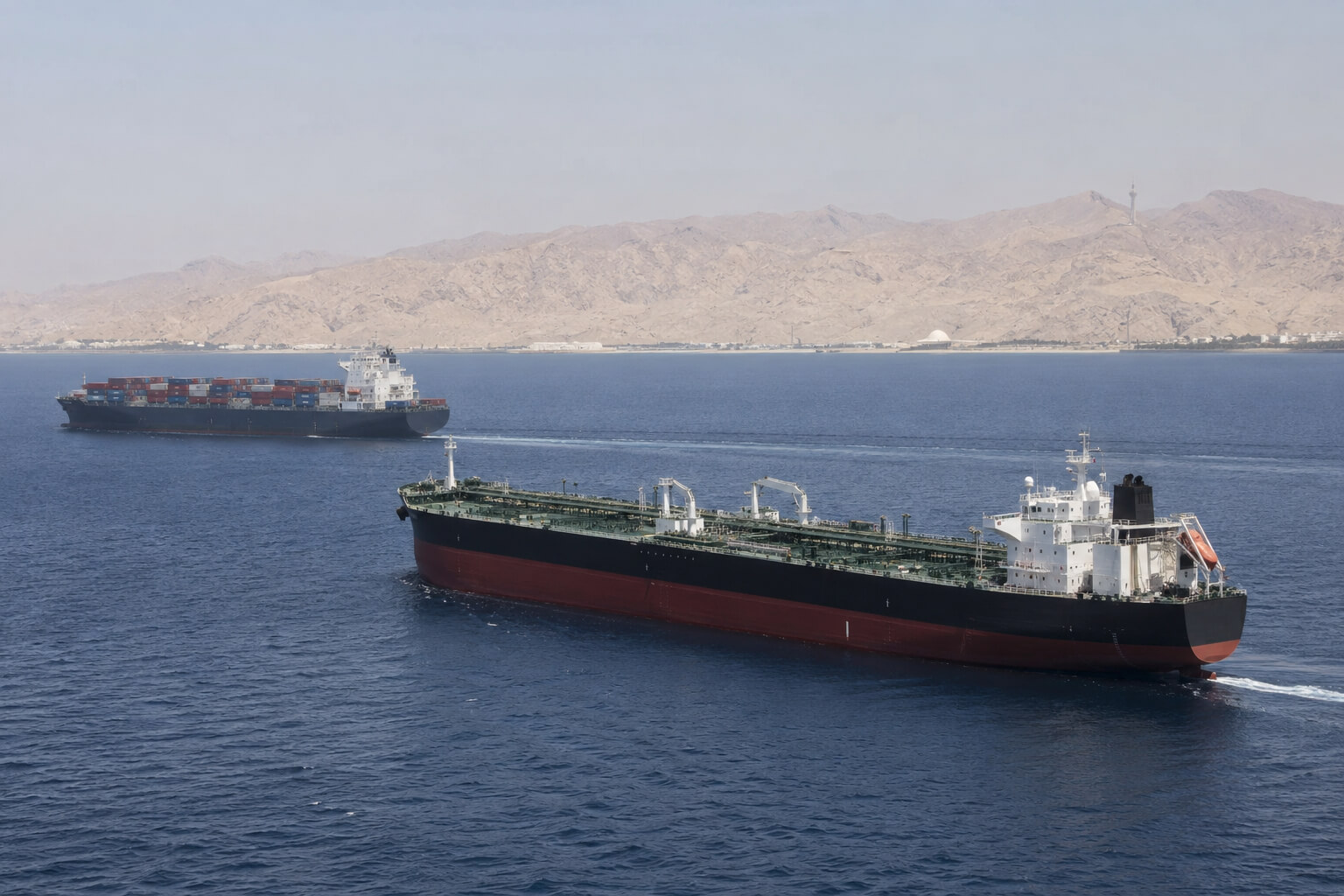
For importers, exporters, manufacturers and other internationally active businesses, the Iran war and global trade disruption are creating a practical problem: shipments can take longer, freight and insurance costs can rise, energy and commodity inputs can become more volatile, and sanctions can alter which counterparties remain acceptable. This matters because even companies with no direct exposure to Iran can face higher landed costs, delayed deliveries and tighter cash flow.
Bear Capital Ventures Limited explains how those pressures are developing, where your company is most exposed, and what you can do to strengthen supply-chain resilience. If you need help assessing your business’s trade-finance requirements, contact Bear Capital Ventures Limited for a consultation.
Ready to Secure Financing?
Discuss your requirements with our specialists and explore a finance structure aligned with your objectives.
How the Iran War Is Affecting Global Trade
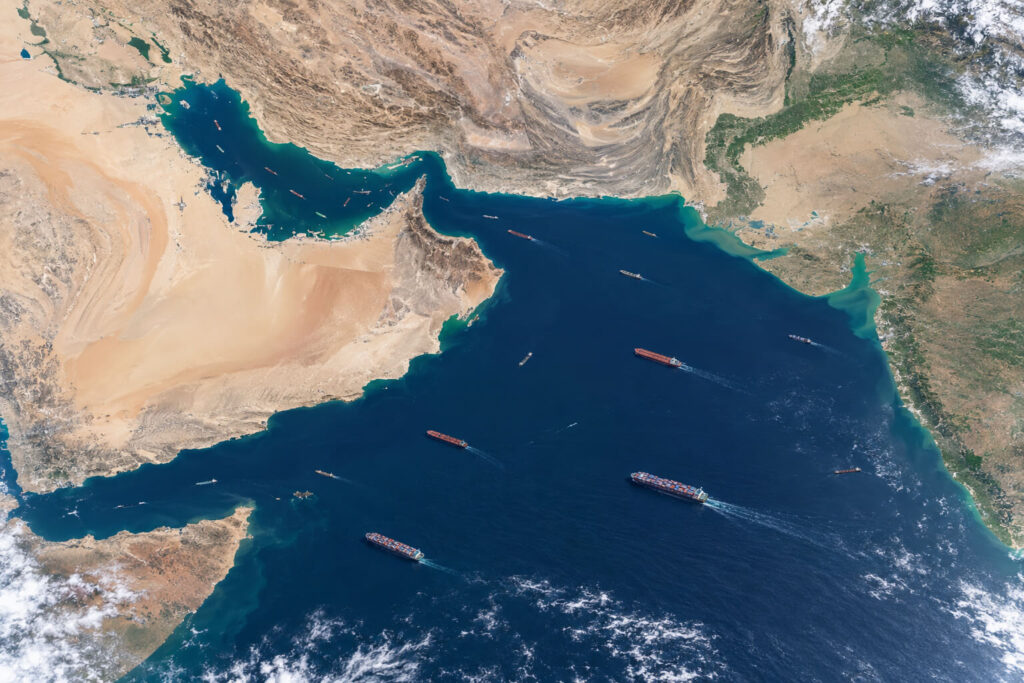
The most immediate trade impact is the disruption surrounding the Strait of Hormuz, one of the world’s most important maritime chokepoints. The WTO says the conflict has affected commodity flows and prompted shipping companies to explore alternative multimodal routes using road, rail, regional hubs and land corridors.
Recent vessel-tracking data illustrates the scale of the uncertainty. Reuters reported that fewer than 20 commodity vessels transited Hormuz over the preceding weekend, while weekly traffic remained around 90% below pre-conflict baselines.
For your company, the issue is therefore not simply whether a particular vessel can move. The wider question is whether the trade route, supplier, delivery schedule and cost assumptions underlying your contracts remain commercially workable.
Shipping Costs, Delays and Insurance
When vessels avoid a high-risk corridor, alternative routes can increase sailing distances, handling requirements and transit times. Even where an alternative route exists, it may not have sufficient capacity to replicate the original logistics chain efficiently.
The cost impact can extend beyond freight. War-risk insurance premiums are rising, and insurers are reassessing coverage for vessels operating in affected waters. Financial Times reporting indicates that some insurers have restricted or refused coverage for certain regional routes, while Saudi Arabia has been discussing a state-backed insurance mechanism.
Your procurement team should therefore review more than the quoted freight rate. Examine:
- War-risk and political-risk insurance
- Freight and fuel surcharges
- Demurrage and detention exposure
- Alternative port and handling costs
- Revised estimated delivery dates
- Contractual responsibility for additional logistics costs
A shipment that remains technically possible may no longer be commercially viable at its original cost.
Energy Prices Create a Second-Round Trade Shock
The Iran conflict is also affecting global trade through energy markets. Hormuz is critical to international oil and gas flows, so disruption can raise energy-market volatility even for businesses located far from the Middle East. The WTO warns that higher energy prices and disrupted trade flows could worsen the global trade outlook.
This creates a second-round effect.
A manufacturer may not import Iranian products but could still face higher electricity, fuel, petrochemical or transport costs. A logistics company may face higher bunker costs. A food producer can be affected through fertiliser, packaging, transport and agricultural-input costs.
The relevant calculation for your company is therefore not simply “Do we trade with Iran?” It is “How sensitive are our operating costs to energy and commodity-price changes?”
Which Supply Chains Are Most Exposed?
Exposure varies significantly by business model.
Energy-intensive manufacturers, chemical producers, transport operators and companies dependent on imported industrial inputs can experience direct cost pressure. Businesses sourcing goods from or through the Gulf may also face longer lead times or alternative-routing requirements.
The disruption can also affect fertiliser and agricultural inputs. The WTO’s trade tracker specifically identifies energy products, fertilisers and related inputs among the affected categories.
Your company should map four layers of exposure:
- Direct exposure — suppliers, customers or logistics providers located in affected markets.
- Route exposure — goods that depend on Hormuz or connected maritime corridors.
- Input exposure — products whose prices depend on energy, chemicals or commodities.
- Financial exposure — contracts, receivables, inventory and working capital affected by delays or higher costs.
This approach is more useful than simply checking whether your business has an Iranian supplier.
Sanctions and Counterparty Risk
The conflict is also changing the compliance environment. US sanctions and threatened secondary sanctions can affect businesses, banks, traders and other counterparties involved in transactions connected with Iran.
The US sanctions are putting renewed scrutiny on Iranian oil purchases by Chinese buyers and the financial and commercial networks supporting those transactions.
Your company should therefore conduct appropriate counterparty due diligence before proceeding with transactions that may have an Iran connection.
This includes reviewing:
- Beneficial ownership
- Country and routing exposure
- Banks and payment intermediaries
- Shipping companies and vessels
- Sanctions screening
- Contractual sanctions clauses
- Documentary and compliance requirements
Do not assume that a transaction is acceptable simply because your immediate counterparty is incorporated outside Iran.
What Can Your Company Do About Supply-Chain Disruption?
The practical response is to build options before disruption becomes an operational emergency.
Start with supplier diversification. Identify suppliers for critical inputs and determine whether an alternative source can meet your technical, regulatory and commercial requirements.
Next, assess route diversification. The WTO reports that shipping and logistics operators have already developed multimodal alternatives involving maritime transport, road and rail corridors.
You should then stress-test your cash-flow position against:
- Higher freight costs
- Higher energy costs
- Longer inventory cycles
- Delayed customer payments
- Additional insurance premiums
- Increased safety-stock requirements
The objective is not necessarily to hold excessive inventory. It is to understand how much liquidity and operational flexibility your company requires if normal trade conditions deteriorate.
What About Trade Finance and Working Capital?
Trade disruption can create a financing problem when money becomes tied up for longer.
For example, a company may have to pay suppliers before goods arrive, hold additional inventory, or absorb higher transport costs while waiting for customer settlement. That can increase the working-capital requirement even when sales volumes have not changed.
Depending on the transaction and the financial institution involved, appropriate trade finance or working-capital facilities may help bridge a temporary funding gap. However, financing should support a commercially viable transaction rather than compensate for an unsustainable supply chain.
Eligibility, documentation, counterparty quality, transaction structure, bank appetite and the underlying cash-flow profile will all influence whether financing is appropriate.
What Should Businesses Review Now?
A practical review should begin with your most commercially sensitive supply chains.
Identify suppliers and customers connected to affected regions, then establish which shipments depend on vulnerable routes. Recalculate landed costs using realistic freight, insurance and energy assumptions.
You should also review whether existing contracts adequately address:
- Force majeure
- Sanctions
- War-risk events
- Delivery deadlines
- Price-adjustment mechanisms
- Alternative ports or routes
- Payment obligations
Where contracts, financing arrangements or supplier commitments are affected, obtain appropriate legal, compliance and financial advice before changing the transaction structure.
Ready to Secure Financing?
Discuss your requirements with our specialists and explore a finance structure aligned with your objectives.
Temporary Disruption or Long-Term Change?
The most important strategic question is whether the Iran war creates only a temporary logistics shock or accelerates a structural change in global trade.
The Economist Intelligence Unit expects higher energy prices, reduced access to chemicals and fertiliser, elevated insurance premiums and longer transit times to keep logistics costs under pressure while the conflict continues. It also notes that many shipping routes have already been reconfigured, limiting the disruption to non-energy trade outside directly affected regions.
The UK House of Commons Library similarly highlights the possibility that temporary disruption could lead to longer-term supplier diversification and rerouting of trade flows.
For your company, that means resilience should not be treated solely as an emergency response. Supplier concentration, route dependence, insurance availability and working-capital requirements may deserve permanent review.
The Bottom Line for Your Company
The Iran war and global trade relationship is creating interconnected risks across shipping, energy, supply chains, sanctions and business finance. The most exposed companies are not necessarily those trading directly with Iran; they are those whose operating models depend on vulnerable routes, concentrated suppliers, energy-sensitive inputs or limited financial flexibility.
Your immediate priority should be to quantify exposure rather than react to headlines: identify vulnerable suppliers and routes, model additional costs, review contractual and sanctions risks, and determine whether your liquidity position can absorb longer trade cycles.
Where disruption creates a genuine funding requirement, the appropriate financing structure should be assessed against the underlying transaction, documentation and repayment capacity rather than selected simply because financing is available.
If your company is facing increased working-capital pressure or needs to assess financing options arising from trade disruption, contact Bear Capital Ventures Limited for a consultation.
Frequently Asked Questions
1. How is the Iran war affecting international shipping routes?
The conflict can increase routing uncertainty, transit times, insurance considerations and freight costs, particularly where vessels or operators reassess exposure to strategically important waterways.
2. What industries are most exposed to trade disruption from the Iran conflict?
Energy, shipping, logistics, manufacturing, chemicals, automotive, agriculture and businesses dependent on imported components can face greater exposure when transport routes, energy prices or supplier availability change.
3. Why does the Strait of Hormuz matter to global trade?
The Strait of Hormuz is a strategically important maritime passage connecting the Persian Gulf with the Gulf of Oman and wider international shipping routes. Disruption can affect the movement and pricing of energy commodities and increase uncertainty for companies dependent on related supply chains.
4. How can businesses manage supply-chain risk during geopolitical conflict?
Your company can review supplier concentration, identify alternative sourcing and shipping routes, strengthen inventory planning, monitor contractual exposure and assess working-capital requirements against potential increases in freight, energy and insurance costs.
5. Can geopolitical conflict affect trade finance requirements?
Yes. Changes in counterparty risk, shipping routes, transaction costs, insurance requirements, sanctions exposure and delivery conditions can affect how banks and businesses assess trade-related financing and payment structures.
Written by Bear Capital Ventures Limited Financial Research Team
The Bear Capital Ventures Limited Financial Research Team specializes in educational content covering global finance, trade finance solutions, corporate funding, financial instruments, and international capital markets. The team provides insights into structured finance solutions, Bank Guarantees, Standby Letters of Credit, and business funding strategies for organizations exploring global growth opportunities.