
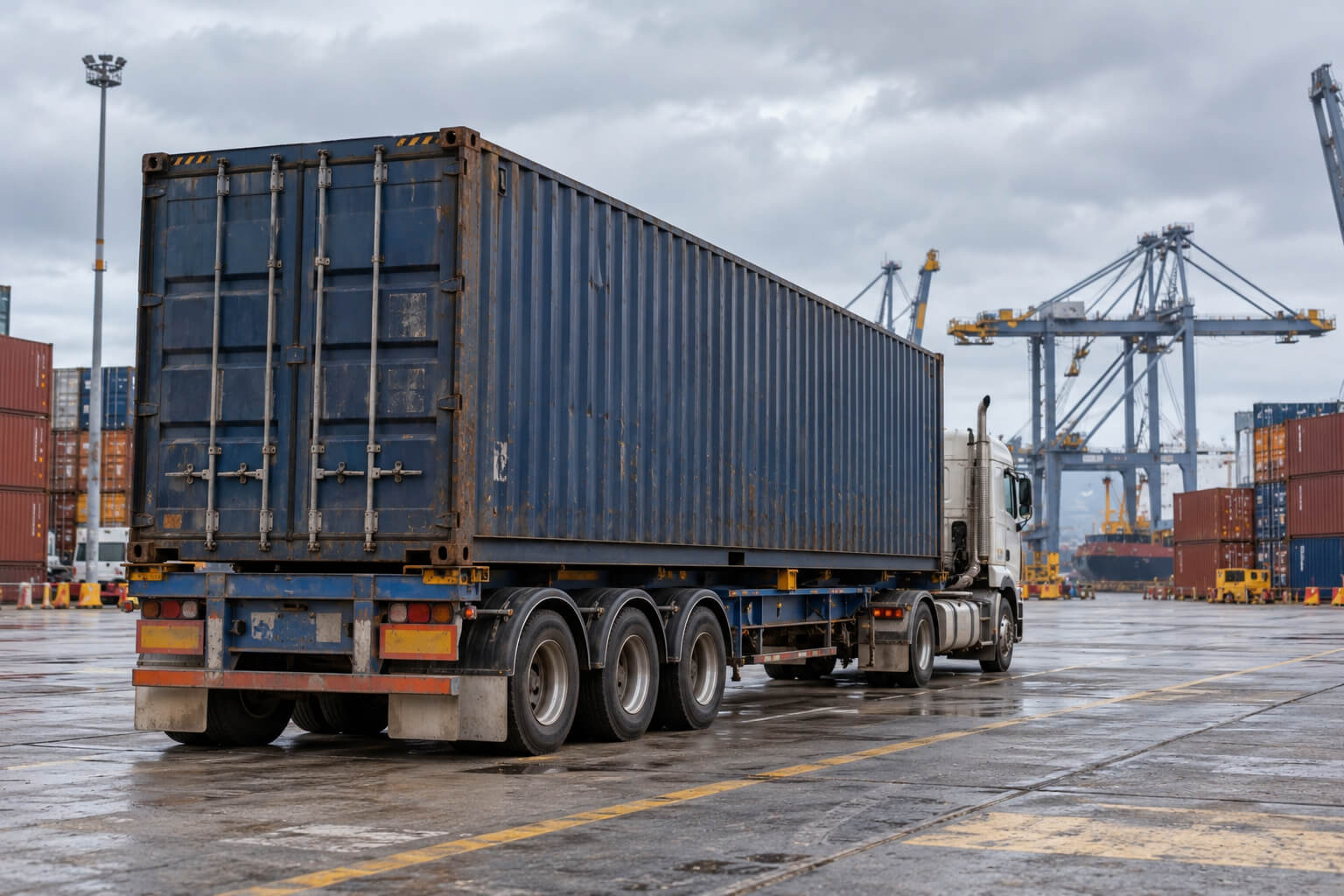
A confirmed customer order can create a cash-flow problem for Australian and international small and medium-sized enterprises (SMEs) when suppliers require payment before shipment, but the buyer will not pay until the goods arrive. Importers, exporters, wholesalers and distributors may need to fund inventory, freight, insurance and import costs while preserving enough cash to keep their businesses operating. Trade finance for SMEs can help bridge this gap, but the right structure depends on the transaction, payment terms and expected customer receipts.
Bear Capital Ventures Limited can assess your order, supplier obligations and funding shortfall to identify potential financing arrangements for completing the shipment without placing unnecessary pressure on working capital.
If your business has a genuine container order but insufficient cash to fund the entire transaction, contact Bear Capital Ventures Limited to discuss your supplier payment deadline, shipment costs and expected buyer payment date.
Ready to Secure Financing?
Submit your financing request and Bear Capital Ventures Limited will discuss potential financing options for your business.
Why a profitable container order can create a cash shortage
The problem often begins when the supplier’s payment schedule does not match the customer’s payment terms.
For example, an Australian wholesaler receives a substantial order from a retail customer. Its overseas supplier requires a deposit to begin production and the balance before dispatch. The wholesaler’s customer, however, pays only after delivery and an agreed credit period.
The wholesaler may have a profitable sale, but it still needs cash to purchase the goods and move them through the supply chain. Paying for the shipment entirely from existing reserves could leave insufficient money for payroll, rent, domestic suppliers and other operating expenses.
The total funding requirement may include:
- Supplier deposits and the balance payable before dispatch.
- International freight, cargo insurance and port charges.
- Customs duties, taxes and clearance expenses.
- Inland transport, warehousing and distribution.
- Operating costs incurred before the buyer’s payment clears.
These expenses should be calculated together rather than treating the supplier invoice as the entire requirement.
A business importing goods into Australia should also consider currency movements, delivery delays, inspection requirements and the possibility that the customer pays later than expected.
Container order financing should therefore be assessed against the complete transaction, from the initial supplier payment through to the collection of customer revenue.
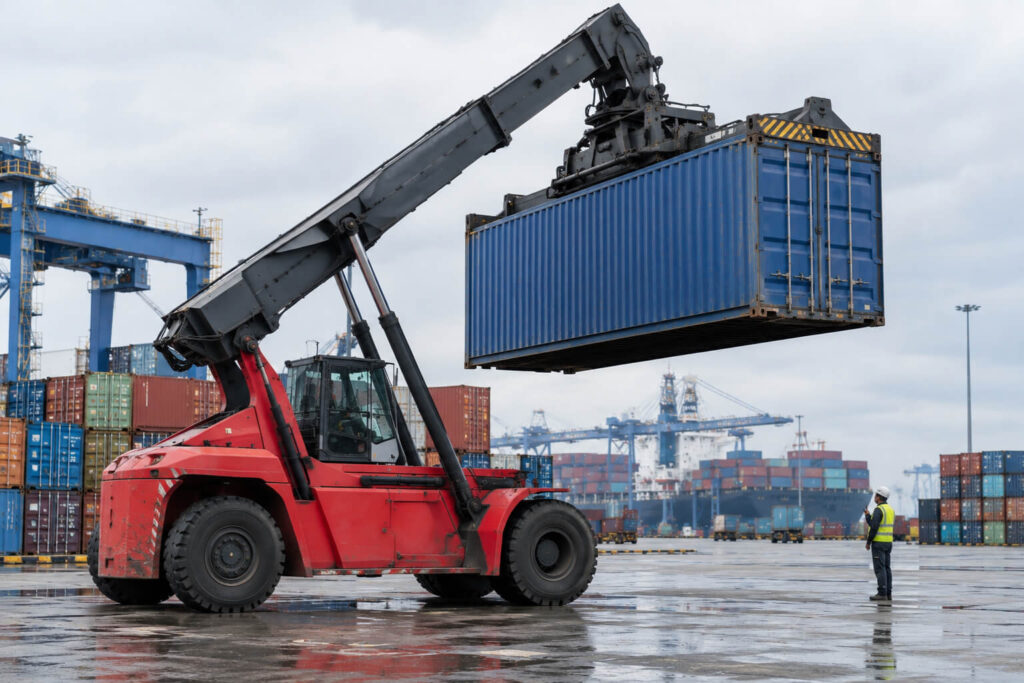
Which financing options can help fund a container order?
Not every business needs the same facility. The most suitable option depends on whether the immediate problem is paying the supplier, purchasing inventory, financing an outstanding invoice or covering a broader cash-flow shortfall.
1. Trade finance for supplier payments
Trade finance can support eligible commercial transactions by helping a business meet supplier payment obligations before it receives revenue from the goods.
Depending on the arrangement, financing may cover a portion of the purchase cost or support a wider import or export transaction. The assessment may consider the supplier, buyer, goods, order documentation, payment terms and the business’s capacity to repay.
For an importer with a confirmed customer order, the objective is to connect the funding requirement to the underlying transaction and its expected cash receipts.
Bear Capital Ventures Limited can assess the supplier payment obligation, shipment value and timing of buyer receipts to help identify potential trade finance structures.
2. Purchase order finance
Purchase order finance is a relevant search for businesses that have received a customer order but need capital to fulfil it.
This type of financing may help eligible businesses pay suppliers or meet fulfilment costs associated with an order. However, a purchase order alone does not guarantee approval. A provider may examine whether the order is genuine, whether the supplier can deliver, whether the buyer is creditworthy and whether the expected profit margin can support the financing costs.
The distinction matters because a confirmed order is evidence of potential revenue, not cash already received.
Before applying, calculate the order’s total fulfilment cost and expected gross margin. Include shipping, insurance, duties, handling, financing charges and other relevant expenses. A large order may still be commercially unattractive if the remaining margin is too small to absorb delays or unexpected costs.
3. Import finance for small businesses
Import finance for small businesses may be relevant when an importer must pay an overseas supplier before the goods are received or sold.
The funding assessment may account for the purchase invoice, shipping arrangements, delivery timeline and the period between supplier payment and customer collection.
Businesses importing into Australia should prepare a landed-cost estimate that includes the goods, freight, insurance, customs-related costs and inland delivery. Import requirements and tax treatment depend on the goods and transaction, so these costs should be verified before the funding amount is finalised.
International businesses face similar considerations, although duties, documentation, currency exposure and local requirements vary by destination.
4. Inventory finance
Inventory finance for importers may help eligible businesses fund stock held for resale, subject to the facility’s terms and the goods’ suitability as security.
It can be relevant when a shipment has arrived but the business has not yet sold all its stock or collected customer payments.
The financing assessment may consider inventory value, turnover, storage conditions, market demand and the ease with which the goods could be sold if repayment problems arose.
Inventory finance is not automatically suitable for every product. Perishable goods, specialised equipment, slow-moving stock and products with uncertain resale value may present additional challenges.
5. Invoice finance and working capital
Once goods have been delivered and an eligible customer invoice has been issued, invoice finance may provide access to a portion of the receivable before its due date.
This differs from financing a supplier payment before shipment. It addresses the later stage of the cash-conversion cycle.
Working capital for importers may also be needed to cover wages, rent, domestic distribution, marketing and other operating expenses while funds remain tied up in inventory or unpaid invoices.
If the business has a recurring import cycle, the funding assessment should consider both the current shipment and the cash required to continue trading after it arrives.
Ready to Secure Financing?
Submit your financing request and Bear Capital Ventures Limited will discuss potential financing options for your business.
How to calculate the real funding shortfall
Before approaching a financing provider, establish how much cash the transaction actually requires and when each payment falls due.
Consider an illustrative Australian importer purchasing AUD 400,000 of goods for a confirmed customer order. Freight, insurance, clearance and inland transport add another AUD 55,000. The total initial requirement is AUD 455,000 before allowing for any additional operating expenses or contingency.
If the business can contribute AUD 150,000 without compromising its normal operations, the initial funding gap is AUD 305,000.
These figures are illustrative, not a financing offer or an indication of approval. The actual amount required may change with freight costs, duties, exchange rates, supplier terms and the timing of customer receipts.
A useful funding schedule should identify:
- The amount payable to the supplier and the payment deadline.
- Freight, insurance, clearance and delivery expenses.
- The date the goods are expected to arrive.
- When the customer is contractually required to pay.
- The business’s available contribution and existing financial commitments.
- A reasonable contingency for delays, unexpected costs or late customer payment.
This schedule helps distinguish the amount required to purchase the goods from the additional liquidity needed to keep the business operating.
It also gives Bear Capital Ventures Limited a clearer basis for assessing the transaction and identifying potential financing arrangements that reflect the actual funding gap.
What makes an SME suitable for trade finance?
A strong financing proposal demonstrates that the transaction is genuine, commercially viable and supported by a credible repayment source. A large purchase order is useful, but it is only one part of the assessment.
A clear supplier and buyer relationship
Prepare the supplier quotation or pro forma invoice, the customer purchase order or sales contract, and any correspondence confirming delivery and payment terms.
The documents should agree on quantities, prices, delivery schedules and the parties involved. Any differences should be explained before the application progresses.
Sustainable profit margins
Calculate the expected revenue after accounting for the full cost of fulfilling the order. Include supplier payments, freight, insurance, duties, storage, handling and financing costs.
A transaction with a narrow margin may be vulnerable to small changes in exchange rates or transport expenses. The proposed funding should leave enough room for the business to meet its obligations without relying on an unrealistically favourable outcome.
Reliable customer payment terms
A signed customer order does not necessarily mean the buyer will pay immediately after delivery. Check the conditions for acceptance, inspection, invoicing and payment.
If the customer can reject goods that do not meet specifications, or if payment depends on additional documentation, those conditions may affect the timing and certainty of repayment.
Business financial records
Providers may request financial statements, management accounts, bank statements, tax records, existing debt details and cash-flow forecasts.
They may also assess trading history, the directors’ experience, supplier relationships and the business’s capacity to absorb a delayed shipment or late payment.
Realistic funding and delivery dates
Financing needs to be arranged before the supplier’s deadline, not after a missed payment has already disrupted production.
There is no universal approval timeframe. Document quality, transaction complexity, due diligence, security requirements and the parties involved can all affect the process. Allow time for assessment, documentation and settlement before committing to an inflexible shipment schedule.

Financing international supplier payments without draining cash reserves
Businesses searching for finance to pay overseas suppliers should begin by identifying exactly when funds are needed and how the financing will be repaid.
For some transactions, direct trade finance may address the supplier payment. For others, the business may need a combination of supplier funding and working capital to cover freight, clearance and local operating expenses.
The structure should reflect the commercial reality rather than simply the size of the purchase order.
Currency risk also deserves attention. If goods are priced in a foreign currency but the customer will pay in Australian dollars, an exchange-rate movement could reduce the expected margin. Businesses should calculate the effect of plausible currency changes and consider how payment timing affects their exposure.
Importers should also check whether the supplier’s payment instructions, ownership details and invoice information are consistent. Unverified changes to bank details, unexpected payment requests or pressure to transfer funds urgently should be investigated before payment is made.
Bear Capital Ventures Limited can assess the supplier obligation, customer payment terms, shipment costs and overall funding requirement to help determine which commercial financing arrangements may fit the transaction.
When a Standby Letter of Credit or Bank Guarantee may help
Some international trade transactions require more than direct funding. A supplier may require an acceptable payment undertaking, or a contract may specify financial security before goods are manufactured, dispatched or delivered.
A Standby Letter of Credit may provide payment assurance under its stated terms, while a Bank Guarantee may support specified obligations under a contract. Their effectiveness depends on the wording, conditions, issuing arrangements and beneficiary acceptance.
These instruments are not automatically equivalent to a cash advance or a facility that pays a supplier’s invoice. They may involve fees, collateral, credit support and separate due diligence.
If a transaction requires both funding and contractual security, assess the requirements separately. Confirm exactly what the supplier or beneficiary will accept before paying arrangement fees or committing to a proposed structure.
Bear Capital Ventures Limited assists clients with international financial arrangements, including trade finance, Bank Guarantees and Standby Letters of Credit. The objective is to establish the actual commercial requirement and assess the financing and security components on that basis.
Ready to Secure Financing?
Submit your financing request and Bear Capital Ventures Limited will discuss potential financing options for your business.
How Bear Capital Ventures Limited can help
When an SME needs to pay for goods before receiving customer revenue, the financing challenge is rarely limited to one invoice. It involves the supplier’s deadline, shipment costs, the customer’s payment terms and the amount of working capital the business must retain.
Bear Capital Ventures Limited can assess these factors together and facilitate access to potential financing solutions for eligible commercial transactions.
The assessment may cover the purchase order, supplier invoice, total shipment cost, expected profit margin, payment schedule and the amount the business can contribute. For larger or more complex transactions, the review can also consider international trade requirements, working-capital needs and related commercial financing arrangements.
Businesses seeking international trade finance solutions should be ready to explain the transaction clearly, identify the parties involved and demonstrate how the proposed funding will be repaid.
Financing may be arranged through Bear Capital Ventures Limited, subject to the transaction assessment, applicable requirements and agreed terms. No particular structure or outcome should be assumed before the supporting documents have been reviewed.
The most productive starting point is a well-defined funding request. A clear explanation of the commercial purpose, the amount required and the repayment source makes it easier to assess whether a potential financing structure fits the business.
Prepare your container order for financing
Before contacting Bear Capital Ventures Limited, prepare a concise transaction summary containing:
- Order details: Goods, quantities, supplier information and total purchase value.
- Customer evidence: Confirmed purchase order or sales contract and agreed payment terms.
- Funding requirement: Supplier payment, freight, insurance, import costs and the total shortfall.
- Cash-flow position: Available contribution, existing commitments and expected customer receipts.
- Timeline: Supplier payment deadline, shipment date, expected delivery and customer payment date.
This information helps establish whether the request is primarily for supplier funding, inventory finance, working capital or a combination of requirements.
If you are still negotiating with your supplier, identify the payment terms that would make the order commercially viable. A deposit, staged payment or revised settlement schedule may reduce the immediate funding gap, although any changes must be agreed by the parties.
Turn your confirmed order into a financing discussion
If your business has a genuine container order and needs capital before the buyer pays, contact Bear Capital Ventures Limited to discuss the transaction.
Provide the order value, supplier payment deadline, estimated shipping costs, customer payment terms and amount of funding required. Include the relevant purchase order, supplier quotation and available financial information so the requirement can be assessed on its commercial merits.
Bear Capital Ventures Limited can assess your funding needs and facilitate access to potential trade finance and broader commercial financing solutions designed around the transaction.
Have a container order ready to fulfil? Take the next step by submitting your transaction details to Bear Capital Ventures Limited and discussing a financing approach that supports supplier payments, protects working capital and helps your business fulfil its customer commitments.
FAQs About Trade Finance for SMEs
1. Can an SME obtain trade finance before receiving payment from its customer?
Yes, businesses may qualify for trade finance before customer payment, depending on the transaction, supplier and buyer details, supporting documents, financial position and proposed repayment source. A confirmed order can support an assessment but does not guarantee approval.
2. What documents are needed to finance a container order?
Typical documents include a customer purchase order or sales contract, supplier quotation or pro forma invoice, shipment details, business financial statements, cash-flow forecasts and existing debt information. Additional documentation may be required depending on the transaction and financing structure.
3. Can trade finance cover freight and import costs as well as supplier payments?
Some financing structures may cover eligible costs beyond the goods themselves. Freight, insurance, customs-related expenses and inland transport should be itemised in the funding request. The costs covered will depend on the agreed facility and its terms.
4. What is the difference between purchase order finance and invoice finance?
Purchase order finance may help a business fund the fulfilment of a customer order before receiving payment. Invoice finance generally involves obtaining funding against eligible receivables after an invoice has been issued. The appropriate option depends on the stage of the transaction and the provider’s criteria.
5. How can Bear Capital Ventures Limited help my business funds a container order?
Bear Capital Ventures Limited can assess your order, supplier payment obligations, shipment costs, customer payment terms and funding shortfall. It can then help identify potential trade finance or broader commercial financing arrangements, subject to the transaction assessment and applicable requirements.
Written by Bear Capital Ventures Limited
Bear Capital Ventures Limited provides practical insights into global finance, trade finance, corporate funding, structured financing, and international capital markets. Our content explores financing solutions including bank guarantees, standby letters of credit, letter of credit financing, working capital, trade finance and project finance, helping businesses and project sponsors better understand their financing options when pursuing international trade, expansion, and growth opportunities.